

Property Valuation in Nigeria: Why It Matters More in 2026
Property valuation in Nigeria has become a critical necessity as the real estate market enters 2026. The Nigerian real estate market is standing at a critical juncture after a period of significant economic challenge. The sector is poised for a complex year where two powerful forces will dictate property values: persistent macroeconomic volatility and transformative government infrastructure projects . For any investor, homeowner, or financial institution, the casual approach of “guessing” a property’s worth is no longer a viable strategy. The margin for error has shrunk, making professional property valuation in Nigeria an absolute necessity.
In 2026, valuation is not merely a bureaucratic requirement; it is a fundamental tool for risk mitigation and strategic investment. It serves as the only objective measure to distinguish between nominal price inflation and genuine value appreciation. This article explores the specific economic, regulatory, and geographical factors that elevate the importance of a certified estate surveyor and valuer, ensuring that stakeholders can make informed, data-driven decisions in a rapidly evolving market. The question is no longer if you need a valuation, but how a precise, professional valuation will secure your financial future in the dynamic Nigerian real estate landscape.
The Economic Landscape: Navigating Volatility and Inflation
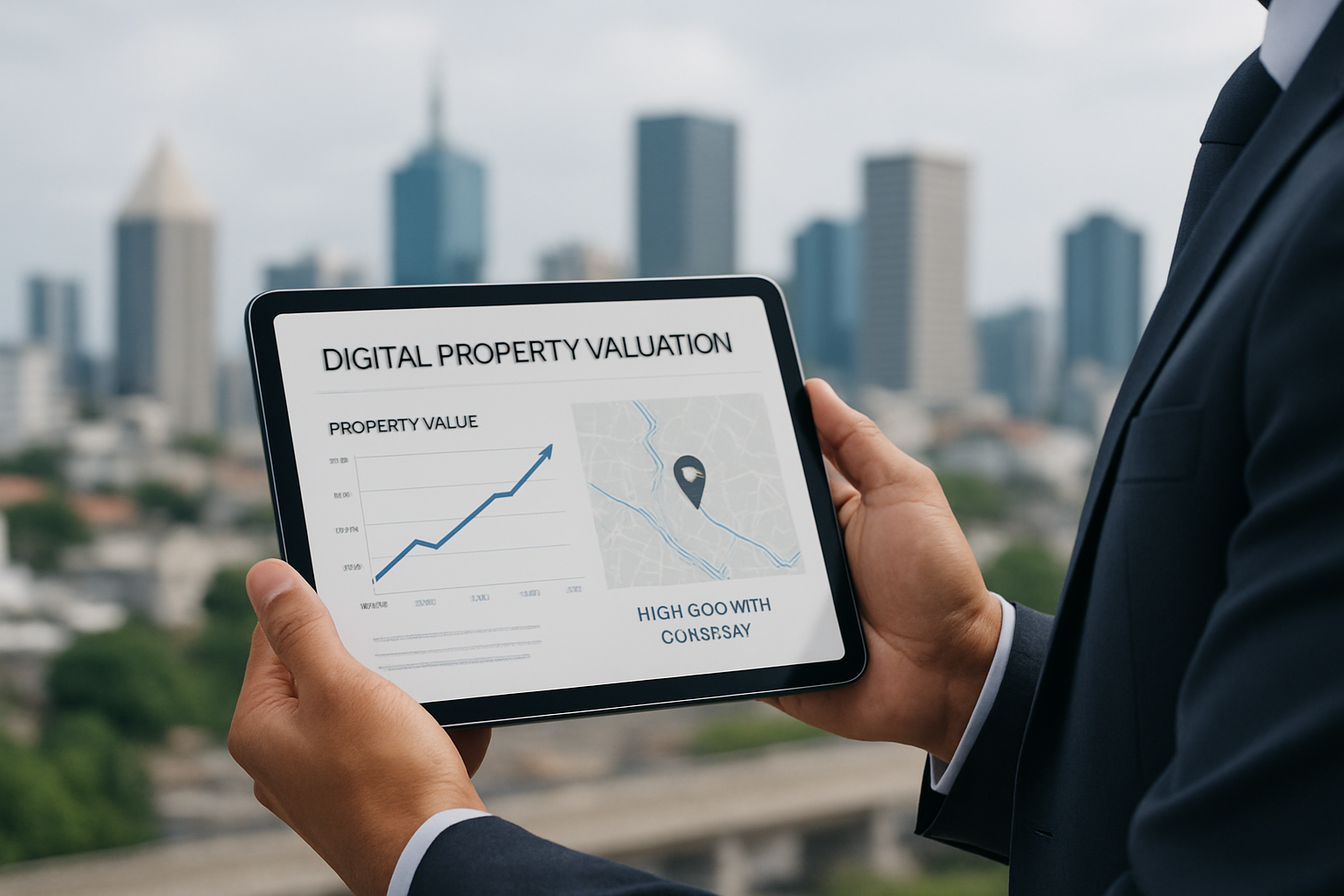
The most compelling reason for the increased importance of property valuation in Nigeria in 2026 is the persistent economic volatility. High inflation and the continued depreciation of the Naira against foreign currencies create a challenging environment for accurate asset assessment [2]. In such a market, property values can appear to rise significantly in nominal terms, yet this increase often masks a loss in real value or purchasing power. Professional valuation is the essential tool for discerning this difference.
The volatility directly impacts the three main approaches to valuation. For instance, the Cost Approach becomes highly unreliable because the cost of imported building materials fluctuates rapidly due to exchange rate instability. A valuation report based on costs from a few months prior may be instantly obsolete. Similarly, the Sales Comparison Approach is complicated by speculative transactions and a lack of reliable, centralized data, making it difficult to find truly comparable sales [2]. A certified valuer employs sophisticated techniques, such as sensitivity analysis and market trend adjustments, to account for these variables, providing a figure that reflects the property’s true worth in a volatile economy.
Infrastructure Milestones: Why 2026 is a “Game Changer” for Property Values
While economic factors present risks, the massive infrastructure drive planned for 2026 presents unparalleled opportunities for value appreciation. Real estate remains a cornerstone of the Nigerian economy, contributing approximately 13.36 percent to the rebased third-quarter 2025 GDP data [1]. This growth is intrinsically linked to government investment in key projects.
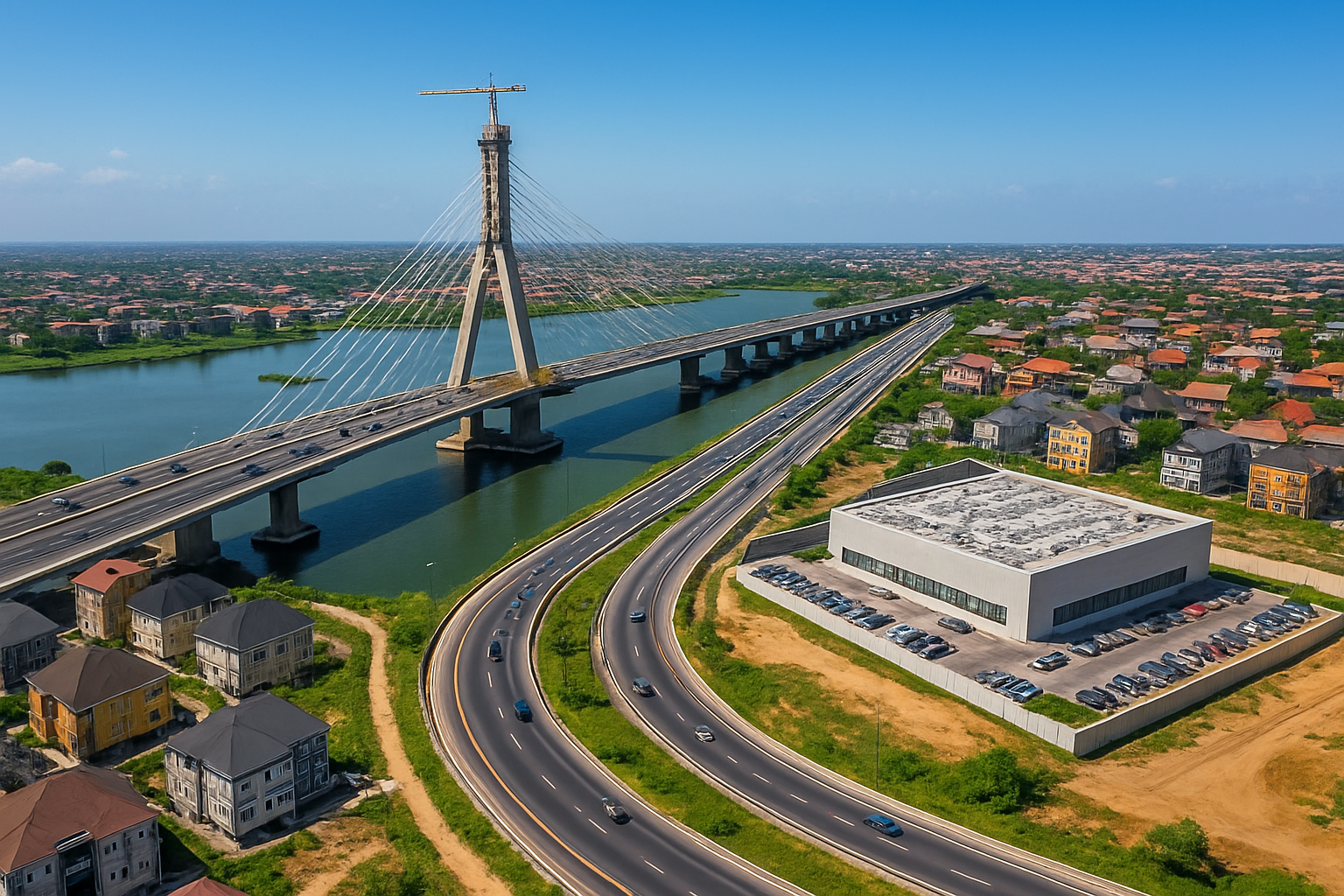
These infrastructure developments are not just construction projects; they are catalysts for massive land value appreciation in their corridors. The Lagos-Calabar Coastal Highway, for example, is expected to unlock significant real estate potential along the coastal region, particularly in emerging areas like Ibeju-Lekki and Epe. Similarly, the proposed Fourth Mainland Bridge in Lagos will redefine accessibility, instantly increasing the value of properties in newly connected residential and commercial hubs.
Furthermore, the emergence of digital infrastructure, such as data centers, is creating a new, high-value asset class. These specialized properties require expert valuation to assess their future income potential and replacement costs accurately. For investors, a professional valuation report is the roadmap to identifying and capitalizing on these infrastructure-driven value surges before they are fully priced into the market.
Regulatory Shifts: The NIIRA Law and New Tax Realities
The regulatory environment in Nigeria is becoming increasingly stringent, making professional property valuation in Nigeria a necessity for compliance and financial protection. The implementation of new tax regimes on property transactions and the recently enacted Nigerian Institution of Estate Surveyors and Valuers (NIIRA) law are creating a new compliance landscape for 2026 [1].
Valuation for Compliance and Protection
Property owners and investors must now ensure that all financial dealings are backed by legally defensible valuation reports. Professional valuation is crucial for:
Tax Assessment: Governments at all levels are seeking to optimize revenue generation. An accurate, professional valuation prevents property owners from being over-assessed for capital gains, stamp duties, or annual land use charges. Without a certified report, property owners are often at the mercy of arbitrary government assessments.
Legal Adherence: The NIIRA law reinforces the professional standards and ethics required of valuers. Engaging a valuer registered with the Nigerian Institution of Estate Surveyors and Valuers (NIESV) ensures that your report meets both local and International Valuation Standards (IVS), providing an essential layer of legal protection in disputes or transactions.
GEO-Spotlight: Where Property Valuation in Nigeria is Most Critical in 2026
To achieve quickest ranking and GEO-optimization, we must address the specific, high-growth corridors where the need for property valuation in Nigeria is most acute. These areas are experiencing rapid value changes driven by infrastructure and economic activity.
GEO-Spotlight: Where Valuation is Most Critical in 2026
To achieve quickest ranking and GEO-optimization, the article must address the specific, high-growth corridors where the need for valuation is most acute. These areas are experiencing rapid value changes driven by infrastructure and economic activity.
| GEO Focus Area | Strategic Rationale | Valuation Focus |
|---|---|---|
| Lagos (Coastal Corridor) | Value appreciation from Lagos-Calabar Coastal Highway and Fourth Mainland Bridge. | Land acquisition, compensation, and future development appraisal in Ibeju-Lekki and Epe. |
| Abuja (Administrative Hub) | Expansion into satellite towns and new residential developments. | Mortgage valuation, rental assessment, and valuation for corporate assets in the Federal Capital Territory (FCT). |
| Port Harcourt | Commercial and industrial property demand, especially for emerging digital infrastructure. | Commercial property valuation, specialized valuation for industrial assets and data centers. |
In these high-stakes locations, a valuation performed by a local expert can uncover hidden value or identify potential risks that a general assessment would miss. The difference between an accurate valuation and a speculative estimate in these areas can amount to millions of Naira, making the professional fee a necessary investment.

The Diaspora Advantage: Building Trust Through Transparency
The Nigerian diaspora represents a significant source of investment in the local real estate market. However, distance and a lack of local knowledge often expose these investors to risks, including inflated prices, fraudulent transactions, and the common issue of “family-based” pricing. For Nigerians abroad, professional property valuation in Nigeria is the single most effective tool for establishing trust and ensuring a fair return on investment.
A certified valuation report provides an objective, third-party assessment of a property’s market value, eliminating emotional or speculative pricing. This transparency is vital for diaspora investors who cannot physically inspect properties or verify local market conditions. By relying on a NIESV-registered valuer, the diaspora investor secures a legally sound document that confirms the true worth of their asset, protecting their capital from the inherent risks of remote investment.
Conclusion: Securing Your Investment Future with Property Valuation in Nigeria
The confluence of economic volatility, infrastructure-driven growth, and regulatory change makes 2026 a watershed year for property ownership in Nigeria. The market demands a level of precision and professionalism that only certified property valuation in Nigeria can provide.
Property valuation is no longer a mere formality for bank loans or legal proceedings. It is a proactive, strategic necessity for:
✅ Risk Mitigation: Protecting assets from the corrosive effects of inflation and currency devaluation.
✅ Capitalizing on Growth: Accurately identifying and quantifying the value uplift from major infrastructure projects.
✅ Ensuring Compliance: Navigating the complexities of the NIIRA law and new tax assessments.
To secure your investment future in this dynamic market, engaging a professional, registered estate surveyor and valuer is the most critical step. Their expertise provides{Contact certified valuers} the clarity and certainty required to thrive in the Nigerian real estate market in 2026 and beyond.
References
[1] Experts cautiously optimistic about real estate recovery in 2026
[2] Valuation Challenges in a Volatile Economy: The Nigerian Experience
[3] Nigeria 2026: Reform momentum meets a hard economic reality
[4] Top 10 Housing Markets to Profit from in Nigeria 2026